
Quick answer: Choosing the ideal saltwater fishing boat depends primarily on your target fishery and distance from shore. Center consoles ranging from 21 to 33 feet offer maximum fishability and 360-degree casting for coastal and offshore trips, while walkarounds and sportfishers with cabins provide essential shelter and sleeping quarters for overnight canyon runs. Always prioritize heavy-duty fiberglass construction, corrosion-resistant hardware, and reliable multi-outboard propulsion.
Understanding Saltwater Fishing Boats: Key Features and Hull Designs
Ocean-going craft differ from freshwater models through structural engineering, materials, and underwater geometry. The harsh marine environment degrades standard components rapidly, which is why top manufacturers rely heavily on 316 stainless steel hardware, sealed electrical connections, and tinned copper wiring. The primary structural component is the hull, which dictates how a boat rides through chop and tracks in heavy seas.
Hull geometry plays a decisive role in offshore performance. A deep-V hull, typically featuring a deadrise angle of 21 to 24 degrees at the transom, cuts cleanly through steep waves to deliver a smoother ride at high speeds. Conversely, bay boats and inshore craft often utilize a modified-V or flat-bottom design with a shallower deadrise (12 to 18 degrees) to allow operation in thin water down to drafts of 12 to 15 inches. Understanding this trade-off between rough-water capability and shallow draft is crucial when evaluating various saltwater fishing setups.
Propulsion demands in saltwater are equally rigorous. Modern offshore anglers lean heavily toward multi-engine outboard setups featuring dual or triple engines from major brands like Yamaha or Mercury. Having redundant power sources adds an indispensable safety layer when operating dozens of miles offshore. Additionally, large fuel capacities—often ranging from 150 to over 400 gallons—ensure that you have sufficient range to reach distant fishing grounds and return safely against building head winds.
| Boat Type | Best For | Size Range | Key Features |
|---|---|---|---|
| Center Console | Versatile fishing | 18–40 ft | 360° access, live wells |
| Walkaround | Fishing + family trips | 20–35 ft | Cabin, rod holders |
| Bay Boat | Inshore fishing | 18–25 ft | Shallow draft |
| Sportfishing Yacht | Offshore luxury | 35–70 ft | Cabins, advanced tech |
Primary Types of Saltwater Fishing Boats
The market for offshore and coastal angling vessels spans several distinct categories, each tailored to specific operational profiles, passenger capacities, and targeting strategies. Selecting the right category requires assessing where you plan to spend most of your time on the water.
Center Console Boats
Center console vessels remain the benchmark design for saltwater anglers. By placing the helm steering station directly in the center of the deck, these boats offer open, unobstructed 360-degree access around the entire perimeter of the hull. This layout allows anglers to easily fight powerful gamefish around the bow and stern without snagging lines on cabin structures. Ranging from 18-foot bay models to 45-foot offshore center consoles powered by quad outboards, they represent the ultimate balance of utility and speed.
Walkarounds and Dual Consoles
For boaters seeking a hybrid design that accommodates both hardcore angling and family comfort, walkaround boats and dual consoles present an excellent solution. Walkarounds feature a small forward cabin (cuddy) recessed into the deck layout, allowing anglers to walk around the cabin perimeter while fishing. Dual consoles provide a split-helm layout with a forward seating area and a covered windshield, protecting passengers from spray while preserving cockpit space for trolling.
Sportfishing Yachts and Express Cruisers
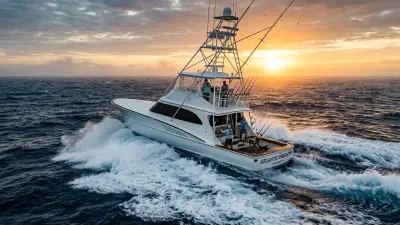
Designed for multi-day trips and offshore tournaments, sportfishing yachts (often 35 to 70+ feet in length overall) feature massive beam measurements, heavy displacements, and fully enclosed, climate-controlled saloons. Powered by twin inboard diesels, these vessels feature flybridges for elevated visual tracking of fish spreads, wide stern cockpits fitted with fighting chairs, and luxury amenities below deck. They represent the pinnacle of comfort and capability for offshore blue-water expeditions.
Bay Boats and Skiffs
Bay boats are specialized craft measuring 20 to 26 feet designed to bridge the gap between shallow flats skiffs and open ocean center consoles. Featuring lower gunwales, dual casting decks forward and aft, and shallow drafts, they thrive in estuaries, backwaters, and calm nearshore reefs. They allow anglers to target redfish in two feet of water in the morning and push out to nearshore wrecks for king mackerel in the afternoon.
Saltwater Fishing Boats with Cabin Options for Long Trips
For serious anglers spending full weekends on the water or running offshore to deep canyons overnight, investing in saltwater fishing boats with cabin space provides necessary shelter, security, and rest quarters. Having a dedicated indoor sanctuary extends your seasonal boating window and keeps crew members comfortable during unpredictable weather shifts.
Cabins come in several configurations. Cuddy cabins offer basic accommodations—typically a V-berth for sleeping two adults and a port-a-potty—without drastically encroaching on cockpit fishing space. Larger express models and sportfishers offer full standing headroom, private head compartments with hot water showers, air-conditioned staterooms, and complete galleys equipped with refrigeration and stoves.
On-the-water tip: When evaluating a cabin-equipped vessel, always check the accessibility of the side decks. A narrow sidedeck with inadequate grab rails makes moving forward to tend anchor lines or fight a tuna extremely dangerous in a rolling 4-foot sea. Ensure handholds are positioned where you naturally reach when stepping out of the cockpit.
Specifications Comparison Across Popular Boat Classes
To help narrow your search when looking at saltwater fishing boats for sale, the following comparison breaks down average dimensions, power options, and typical operational ranges across the primary categories.
| Boat Class | Average LOA (ft / m) | Beam (ft / m) | Draft (ft / m) | Engine Options | Primary Application |
|---|---|---|---|---|---|
| Bay Boat | 20 – 26 ft (6.1 – 7.9 m) | 8.0 – 8.6 ft (2.4 – 2.6 m) | 1.0 – 1.3 ft (0.3 – 0.4 m) | Single 150–300 hp Outboard | Inshore, flats, nearshore reefs |
| offshore center console | 25 – 39 ft (7.6 – 11.9 m) | 9.0 – 11.5 ft (2.7 – 3.5 m) | 1.8 – 2.5 ft (0.5 – 0.8 m) | Twin/Triple 250–450 hp Outboards | Offshore bluewater, trolling, canyons |
| Walkaround / Express | 26 – 35 ft (7.9 – 10.7 m) | 9.5 – 12.0 ft (2.9 – 3.7 m) | 2.0 – 3.0 ft (0.6 – 0.9 m) | Twin Outboards or Inboard Diesels | Overnight trips, coastal cruising, offshore |
| convertible sportfisher | 38 – 65+ ft (11.6 – 19.8+ m) | 14.0 – 19.0 ft (4.3 – 5.8 m) | 3.5 – 5.5 ft (1.1 – 1.7 m) | Twin Inboard Diesels (800–2000+ hp total) | Tournament fishing, multi-day offshore |
Essential Features to Inspect Before Buying
Whether you are analyzing new listings or inspecting used saltwater fishing boats for sale, specific features directly affect how functional the vessel will be during actual fishing conditions. Ocean conditions demand robust systems designed specifically for high-stress use.
- Livewells and Baitwells: Ensure the livewell pump uses a dedicated high-capacity thru-hull pickup with a reliable pump-out system. Pressurized, round-cornered wells keep live bait alive longer by preventing injury during rough transits.
- Integrated Fish Boxes: Look for large, insulated in-deck fish boxes equipped with macerator discharge pumps to store ice and large catches like tuna or wahoo.
- Rod Storage and Outriggers: Evaluate rocket launchers on hardtops, gunwale-mounted rod holders, and under-gunwale storage tracks. Ensure top-mounted outriggers function smoothly.
- Marine Electronics Suite: High-performance offshore fishing requires multi-function displays (MFDs), high-definition CHIRP sonar, open-array radar for spotting birds and weather, autopilot systems, and dual VHF radios.
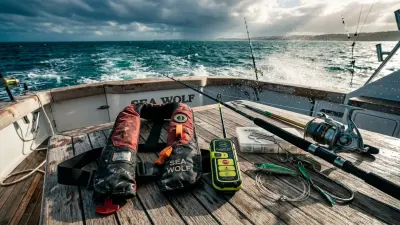
- Safety and USCG Equipment: Every offshore craft must carry properly sized Type I PFDs, a registered EPIRB (Emergency Position Indicating Radio Beacon), visual distress flares, fire extinguishers, and a dedicated bilge pump system with automatic float switches.
When shopping pre-owned inventory, always hire an accredited marine surveyor (SAMS or NAMI certified) to conduct a hull inspection and order a mechanical test on the outboards or inboards. Checking transom integrity, deck coring moisture level, and engine corrosion status will save thousands of dollars down the line.
Essential Maintenance Practices for Saltwater Vessels
Saltwater is unforgiving to mechanical components and metallic hardware. Establishing a thorough post-trip maintenance routine is essential for maintaining vessel resale value and eliminating mechanical breakdowns miles away from the inlet.
Flush all outboard engines with fresh water using designated hose connections after every single outing. Salt deposits inside cooling jackets can build up quickly, causing internal overheating and costly engine failures. Thoroughly wash the entire deck, canvas, and stainless steel hardware with marine-grade biodegradable soap and fresh water to prevent pitting and tea-staining corrosion.
Protecting underwater metals requires monitoring sacrificial zinc or aluminum anodes installed on engine brackets, trim tabs, and shaft drives. Replace anodes when they deplete by 50%. Additionally, if the vessel stays slipside in saltwater, applying quality anti-fouling bottom paint prevents barnacles and marine growth from reducing speed and fuel efficiency.
Choosing the Right Boat for Your Fishing Style
To choose the ideal saltwater vessel, honest assessment of your typical fishing day is critical. If your primary goal involves running out to offshore canyons, chasing pelagics in 3-to-5-foot seas, and staying out overnight, prioritize a 30+ foot walkaround or sportfishing vessel with cabin comforts and dual inboard or outboard engines. If you split time evenly between backwater bays, coastal trolling, and family watersports, a 23-to-26-foot dual console or bay boat provides maximum flexibility, lower fuel burn, and easier trailering.
Frequently Asked Questions
What is the difference between a freshwater and a saltwater fishing boat?
Saltwater fishing boats use corrosion-resistant materials such as 316-grade stainless steel, sealed wiring harnesses, tinned copper wiring, and sacrificial anodes. They also feature deeper V-hull shapes, thicker fiberglass layups, and self-bailing cockpits to safely handle high ocean waves and heavy spray.
Is a center console or a walkaround better for offshore saltwater fishing?
Center consoles offer superior fishability with 360-degree clear access around the boat, making them ideal for active drift-fishing and quick maneuvering. Walkaround boats provide shelter, dry storage, and sleeping space in a cabin, making them better suited for overnight trips, cold-weather climates, and family comfort.
How many engine hours is considered high on a used saltwater outboard engine?
Modern four-stroke outboard engines from major manufacturers can reliably reach 2,000 to 3,000 hours or more if properly maintained. An engine with 800 to 1,200 hours that has complete service records and clean oil analysis is often a safer purchase than an older engine with very low hours that has sat idle in salt air.
Why are self-bailing cockpits essential on saltwater fishing boats?
A self-bailing cockpit features a deck height positioned above the waterline, paired with scupper drains that flush water overboard using gravity. This feature prevents heavy waves or washdowns from pooling inside the hull, allowing water to drain automatically without relying entirely on bilge pumps.