

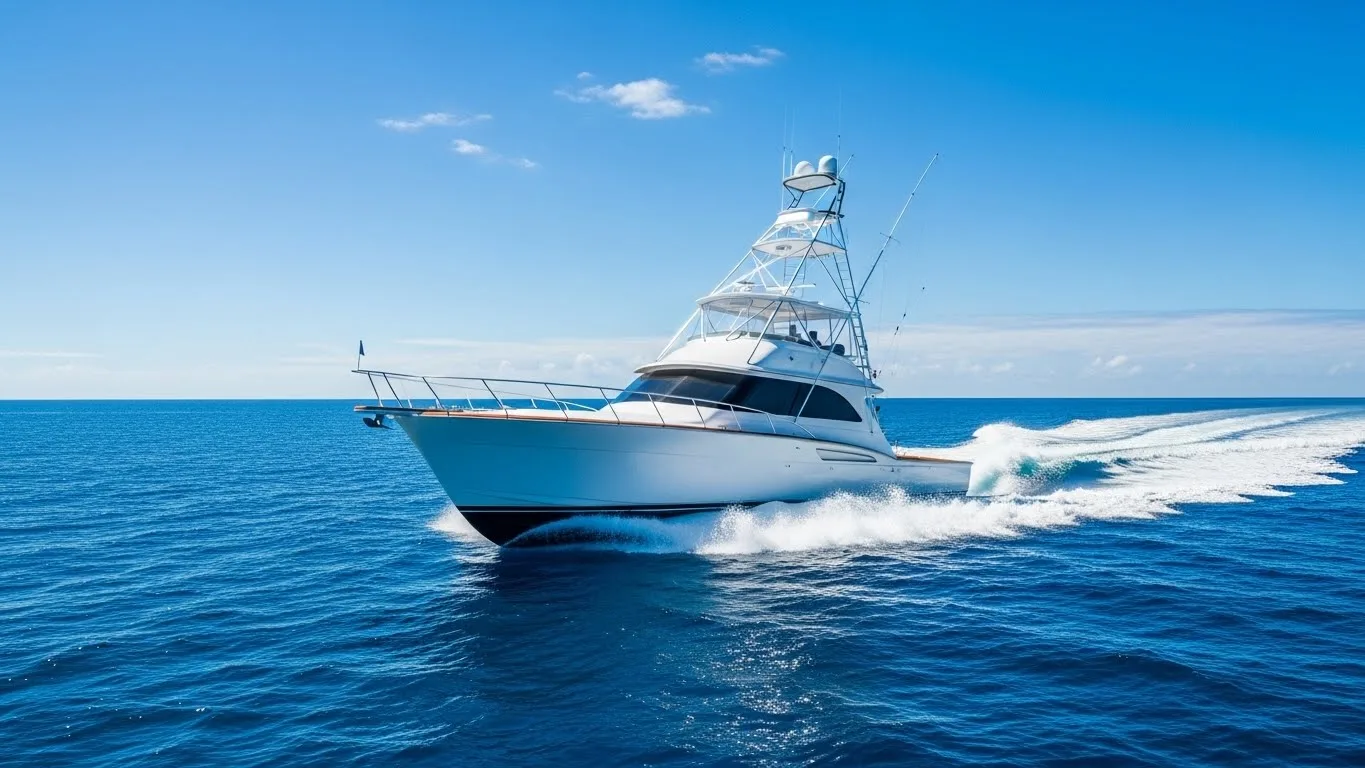

As a seasoned veteran of the marine industry, I’ve had the privilege of witnessing countless vessels come and go. Yet, some boats transcend mere transportation; they become legends. The Hatteras 46 Convertible is undeniably one of them. For decades, this robust sportfishing machine set the benchmark for offshore capability, build quality, and livability in the mid-size convertible class. If you’ve ever dreamed of serious big-game fishing or comfortable long-range cruising, chances are a Hatteras 46 has crossed your radar.
Table Of Content
- A Timeless Design: The Enduring Legacy of the Hatteras 46 Convertible
- Birth of a Legend: The Mk I (1974-1981)
- The Performance Evolution: Mk II (1981-1984)
- Modern Refinement: The Mk III (1992-1994)
- The Hatteras 45 Convertible: A Close Relative
- Beneath the Surface: Understanding the Hatteras 46’s Engineering & Performance
- Robust Construction and Hull Design
- Powering the Beast: Engine Options and Performance
- Specifications That Matter
- Life Aboard: Accommodations, Layouts, and Livability
- Interior Comfort and Configuration
- The Business End: Cockpit and Flybridge
- Owner Upgrades and Customization
- Navigating the Market: Buying and Owning a Hatteras 46 Convertible
- Current Market Trends and Pricing
- Key Considerations for Buyers
- The True Cost of Ownership
I remember my first time stepping aboard a Hatteras 46 back in the late 70s. The sheer solidity, the purposeful design, and that distinct scent of fiberglass and diesel that only a well-built offshore boat possesses – it was instantly clear this was a vessel built to tackle the ocean, not just float on it. It wasn’t about flashy trends; it was about unwavering performance and durability, attributes that still make it a highly sought-after classic today. In this comprehensive guide, we’ll delve into the generations, specifications, performance, market insights, and why the Hatteras 46 Convertible continues to earn its place as a blue-water icon.
A Timeless Design: The Enduring Legacy of the Hatteras 46 Convertible
The story of the Hatteras 46 Convertible is one of continuous refinement and unwavering commitment to quality. Spanning over two decades, from the mid-1970s through the mid-1990s, Hatteras Yachts produced three distinct generations of this revered model, each building upon the strengths of its predecessor while adapting to evolving market demands and technological advancements. Understanding these generations is crucial for anyone considering ownership, as each offers unique characteristics and implications for performance and value.
Birth of a Legend: The Mk I (1974-1981)
The original Hatteras 46 Convertible, often referred to as the Mk I, emerged in 1974 and quickly established itself as a formidable force in the sportfishing world. These early models were characterized by their incredibly robust, solid fiberglass hull construction and a deep, full-length keel. This combination provided unparalleled tracking stability in a seaway, making them exceptionally comfortable and secure platforms for trolling in rough conditions – a critical advantage for anglers chasing pelagics far offshore.
Powering most Mk I vessels were the venerable Detroit Diesel 8V-71TI engines, workhorses renowned for their reliability and relatively straightforward maintenance, albeit with a distinct two-stroke roar. While not the fastest boats on the water, their modest cruise speeds of 20-21 knots were more than adequate for reaching distant fishing grounds with confidence. The interiors were typically finished with classic Hatteras teak, offering a warm, traditional ambiance that many still cherish today.
The Performance Evolution: Mk II (1981-1984)
As the 1980s dawned, the sportfishing world began craving more speed without sacrificing offshore capability. Hatteras responded with the Mk II, a generation that introduced significant structural and performance enhancements. While retaining the fundamental strength of the 46, Hatteras engineers beefed up the hull structure with extra frames and introduced balsa-cored hullsides above the waterline, a strategic move to reduce weight and increase stiffness without compromising the critical running surface.
Crucially, the Mk II featured a shorter keel compared to its predecessor, which, combined with more powerful engine options like the Detroit Diesel 8V-92TI, pushed cruise speeds into the 24-28 knot range and top speeds into the high 20s. This marked a substantial leap in performance, allowing anglers to get to the bite faster. The Mk II perfectly balanced Hatteras’s legendary build quality with a newfound agility, making it a highly desirable choice for those who valued both speed and offshore prowess.
Modern Refinement: The Mk III (1992-1994)
After a brief hiatus, the Hatteras 46 Convertible made a triumphant return in the early 1990s as the Mk III, representing a significant modernization of the classic design. This generation boasted sleeker, more contemporary exterior styling with a less pronounced sheer and a cleaner profile. Interiors were updated to reflect the trends of the era, often featuring lighter ash wood finishes and more modern amenities, creating a brighter, more open feel.
One of the most notable features of the Mk III was its expansive cockpit, often cited as one of the largest in its class. This was a direct response to the demands of serious tournament fishermen who required ample space for multiple anglers, large fighting chairs, and extensive tackle storage. Engine options continued to evolve, often featuring the electronic Detroit Diesel DDEC versions of the 8V-92s, or in some cases, early Caterpillar or Cummins repowers from the factory, offering improved fuel efficiency and quieter operation. The Mk III remains a premium offering in the used market, blending classic Hatteras ruggedness with a touch of modern yacht design.
The Hatteras 45 Convertible: A Close Relative
It’s not uncommon for buyers to encounter or even confuse the Hatteras 45 Convertible with its more famous sibling, the 46. While distinct, the 45 Convertible is indeed a related model, often sharing design lineage and construction philosophies from a similar era. Built from 1980-1985, the 45 generally featured a slightly shorter length overall and beam, offering a different interior layout and often different power options. It shares the Hatteras commitment to robust construction but caters to a subtly different preference. While a fine boat in its own right, the 46 Convertible remains the more recognized and prolific of the two, especially when discussing blue-water sportfishing legacy.
Beneath the Surface: Understanding the Hatteras 46’s Engineering & Performance
The heart of the Hatteras 46 Convertible’s legendary reputation lies in its uncompromising engineering and rock-solid construction. These aren’t just pretty boats; they are purpose-built machines designed to handle the most challenging offshore conditions with confidence. As a broker, I’ve seen these boats come back from storms that would send lesser vessels limping to the dock, a testament to Hatteras’s commitment to building yachts that last.
Robust Construction and Hull Design
The foundation of every Hatteras 46 is its modified-V hull, a design perfected by Hatteras to strike an ideal balance between speed, stability, and a dry ride. The deep forefoot slices through head seas, while the flatter aft sections provide lift and reduce drag. The solid fiberglass hull on the Mk I and Mk II models, with heavy scantlings, is virtually indestructible. Hatteras didn’t just meet classification society standards; they often exceeded them, building boats that were truly “overbuilt” in the best possible sense.
The full-length keel on the Mk I, and the slightly shorter keel on the Mk II, contributed significantly to the boat’s renowned tracking ability and minimized roll, particularly important when fishing. Even the Mk III, with its more performance-oriented hull, retained enough keel to maintain that characteristic “Hatteras ride” – a feeling of solidity and security that inspires confidence when the weather turns. This robust construction is a primary reason why so many 46s are still actively fishing and cruising decades after their launch.
Powering the Beast: Engine Options and Performance
Engine choice dramatically influences the performance and character of a Hatteras 46. The early Mk I models were predominantly powered by twin Detroit Diesel 8V-71TI engines, typically producing around 425 horsepower each. These engines, while reliable and relatively easy to work on, yielded cruise speeds of 20-21 knots. They’re known for their distinct sound and a certain amount of smoke on startup, but their mechanical simplicity means they can often be kept running indefinitely with proper maintenance.
With the Mk II and later Mk III models, the jump to twin Detroit Diesel 8V-92TI or DDEC engines, often rated at 735 horsepower or more, transformed the 46 into a truly fast convertible. These powerplants pushed cruise speeds into the 24-28 knot range and top speeds into the high 20s, making long runs to the canyons much more feasible. While powerful, the 8V-92s demand meticulous maintenance and a keen eye for their specific operational quirks. Many owners, however, have opted for significant engine repowers over the years, upgrading to modern diesels like Caterpillar, Cummins, or MAN. These repowers not only enhance performance and fuel efficiency but also significantly boost the boat’s value and ease of ownership, offering quieter operation and modern diagnostics.
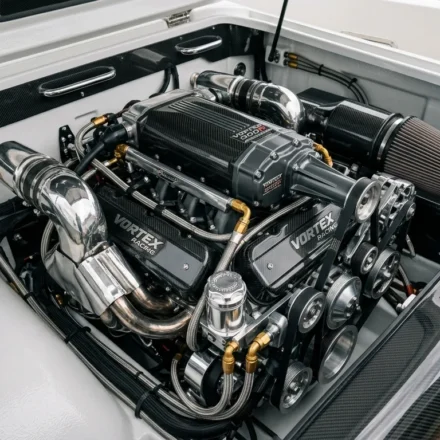
A standout feature across all generations, and one that mechanics and owner-operators universally praise, is the stand-up engine room. Unlike many boats of this size where engine access is a contortionist’s nightmare, the 46 Convertible provides ample headroom and space around the engines. This accessibility makes routine maintenance, repairs, and even major overhauls far more manageable and cost-effective, a massive selling point that truly enhances the boat’s long-term appeal and serviceability.
Specifications That Matter
Understanding the key specifications of the Hatteras 46 Convertible provides insight into its capabilities and design philosophy. While minor variations exist between generations, here are the average specifications you can expect:
- LOA (Length Overall): 46 ft 0 in (14.02 m)
- Beam (Width): 14 ft 9 in (4.50 m)
- Draft: 4 ft 2 in (1.27 m) – Varies slightly by keel design
- Dry Weight/Displacement: 38,500 to 52,000 lbs (17,463 to 23,587 kg) – Varies significantly by generation and options
- Hull Type: Modified-V with deep/shallow keel
- Fuel Capacity: 650 to 765 Gallons (approx. 2,460 to 2,896 Litres)
- Water Capacity: Approximately 150-200 Gallons (568-757 Litres)
- Accommodations: Typically 2 Staterooms, 2 Heads (some layouts feature 3 Staterooms/1 Head)
These figures highlight a vessel designed for serious offshore work. The generous beam contributes to interior volume and stability, while the substantial fuel capacity provides excellent range for extended trips to remote fishing grounds or distant cruising destinations. The displacement, particularly on the earlier models, speaks volumes about the robust construction, ensuring a solid, sea-kindly ride.
Life Aboard: Accommodations, Layouts, and Livability
While the Hatteras 46 Convertible is undeniably a fishing machine, it never sacrifices comfort or thoughtful design in its accommodations. Hatteras understood that long days offshore demand a comfortable retreat, and the 46 delivers a surprising amount of space and livability for a boat of its size. This balance between hardcore fishing utility and cruising comfort is a significant part of its enduring appeal.
Interior Comfort and Configuration
Most Hatteras 46 Convertibles feature a classic two-stateroom, two-head layout, which offers excellent privacy and convenience for owners and guests. The master stateroom is typically forward, often with an island berth, while a guest cabin with bunk beds provides flexible sleeping arrangements. Some rarer configurations might even offer a third, smaller stateroom or a single head layout, particularly in older galley-up versions. The salon is remarkably spacious for a 46-footer, providing ample room for entertaining, dining, or simply relaxing after a long day on the water.
You’ll find variations in galley placement as well – some models feature a “galley-up” layout, integrating the galley with the salon for a more open feel, while others opt for a “galley-down” arrangement, which can allow for a larger salon or additional accommodation. Interior finishes evolved over the years, from the rich, dark teak of the Mk I models to the lighter ash or even cherry wood options found in some later Mk IIIs, reflecting changing aesthetic preferences while always maintaining a high standard of craftsmanship.
The Business End: Cockpit and Flybridge
For any serious sportfishing boat, the cockpit is the command center, and the Hatteras 46 does not disappoint. These boats boast generously sized cockpits, especially the Mk III, offering abundant space for multiple anglers to work fighting chairs, cast, and manage lines. Essential features like large in-deck fish boxes, tackle centers, bait wells, and a transom door are standard or commonly added, making the 46 highly functional for its primary purpose.
Above, the flybridge provides excellent visibility for the captain, crucial for spotting fish, navigating, and docking. With comfortable seating for guests and ample space for a full suite of modern electronics, it serves as both the operational hub and a fantastic vantage point for enjoying the journey. Many 46s have been outfitted with full towers over the years, further enhancing their sportfishing credentials and providing even better sightlines for locating fish in the spread. The thoughtful layout of these crucial areas truly sets the 46 apart, demonstrating Hatteras’s deep understanding of what offshore enthusiasts truly need.
Owner Upgrades and Customization
One of the beauties of owning a classic like the Hatteras 46 is the opportunity for personalization and modernization. Over their decades of service, most 46s have seen numerous upgrades. These often include complete electronics packages, with modern multi-function displays (MFDs), high-definition radar, CHIRP sonar, and advanced autopilots. Interior soft goods, carpeting, and even galley appliances are frequently updated, giving older boats a fresh, contemporary feel. I’ve seen some incredible transformations, from complete engine repowers to full interior refits, demonstrating the enduring value and solid bones of these vessels.
For anglers, additions like state-of-the-art outriggers, updated fighting chairs, additional livewells, and custom tackle storage are common. These continuous owner upgrades not only enhance the boat’s utility and comfort but also significantly contribute to its market value. When evaluating a Hatteras 46 for sale, the quality and extent of these documented upgrades are just as important as the original build itself.
Navigating the Market: Buying and Owning a Hatteras 46 Convertible
The market for a Hatteras 46 Convertible is vibrant and diverse, offering opportunities for both seasoned boat owners and those looking to step into the world of serious offshore boating. However, due to the vessel’s long production run and the varying degrees of care and upgrades over the years, the price range can be substantial. As a broker, I often tell clients that buying a classic Hatteras is less about the model year and more about the condition, particularly the engines and recent refits.
Current Market Trends and Pricing
Today, the price of a Hatteras 46 Convertible can span a massive range, typically from around $70,000 to over $250,000 USD, with outliers on both ends. This wide variance is driven by several key factors:
- Entry Level (1970s – Early 1980s Mk I): You might find boats in the $70,000 – $110,000 range. These typically feature original Detroit Diesel 8V-71TI engines, which may need significant work or replacement. Expect to budget for extensive cosmetic and system upgrades. These are often projects for hands-on owners.
- Mid-Range/Refitted (1980s Mk I/II): Boats priced from $110,000 – $175,000 usually fall into this category. They often include full engine rebuilds or even repowers, updated electronics (though perhaps not cutting-edge), and refreshed interiors. These represent a good balance of value and usability.
- Premium/Mk III (1990s or Heavily Repowered Early Models): The $175,000 – $250,000+ segment includes later Mk III models (1992–1994) or earlier generations that have undergone comprehensive, modern repowers (e.g., with Cat, Cummins, or MAN engines) and extensive refits. These boats often feature modern navigation suites, updated electrical systems, and turn-key readiness for serious fishing or cruising.
The “value proposition” of a Hatteras 46 is incredibly strong. For a fraction of the cost of a new convertible of similar size and capability, you can own a vessel with proven blue-water credentials, a solid reputation, and the potential for a significant return on investment through smart upgrades and diligent maintenance.
Key Considerations for Buyers
When you’re searching for a Hatteras 46 Convertible for sale, approach it with a keen eye and a thorough due diligence process. Here are crucial factors to consider:
- Engine Condition is Paramount: This cannot be stressed enough. A full marine survey *must* include an engine survey by a qualified mechanic. Get oil analyses, check service records, and verify run hours. The cost of a major engine overhaul or repower can easily eclipse the boat’s initial purchase price, so factor this into your budget.
- Structural Integrity: While built like tanks, even a Hatteras can suffer from neglect or damage. A comprehensive hull survey will check for moisture intrusion (especially in the balsa-cored hullsides of Mk II/III), delamination, stress cracks, and the condition of stringers and bulkheads.
- Electrical Systems: Older boats often have original wiring that can be a source of constant headaches. Look for documented upgrades to electrical panels, wiring, and shore power systems.
- Electronics & Navigation: Modern navigation and fish-finding electronics are essential for safe and effective offshore operations. If the boat has outdated gear, budget for a complete refit.
- Fuel Tanks: Many older Hatteras models came with steel fuel tanks which are prone to corrosion over time. Inspect them carefully for leaks or signs of compromise. Aluminum or fiberglass replacements are a significant upgrade and a major plus.
- Moisture & Leaks: Thoroughly check for signs of water intrusion around windows, deck hardware, and the hull-deck joint. Water damage can lead to hidden structural issues and costly repairs.
The True Cost of Ownership
Owning a classic Hatteras 46 is a rewarding experience, but it’s important to be realistic about the ongoing costs. Beyond the purchase price, you’ll need to budget for fuel (especially with older Detroit Diesels), dockage, insurance, and routine maintenance. These are not low-maintenance vessels; they demand attention and care. Regular servicing of engines, generators, and other systems is vital. Periodic upgrades, like new soft goods or a refreshed brightwork, will also be part of the ownership journey. My personal opinion? These boats aren’t for the faint of heart when it comes to maintenance, but the reward is a ride, capability, and classic aesthetic unmatched by many newer, often lighter-built vessels. With proper care, a Hatteras 46 Convertible will not only hold its value remarkably well but will continue to provide countless hours of safe, exhilarating adventures on the open ocean.
The Hatteras 46 Convertible isn’t just a boat; it’s a statement. It’s a testament to a bygone era of robust American boatbuilding, where integrity of construction and offshore capability were paramount. Whether you’re a seasoned angler dreaming of tournament wins or a family looking for a comfortable cruising platform with serious capabilities, the 46 Convertible offers a compelling package. It’s a true blue-water legacy, ready to write its next chapter with you at the helm.