


The Uniflite 36 Double Cabin: An Enduring Legacy on the Water
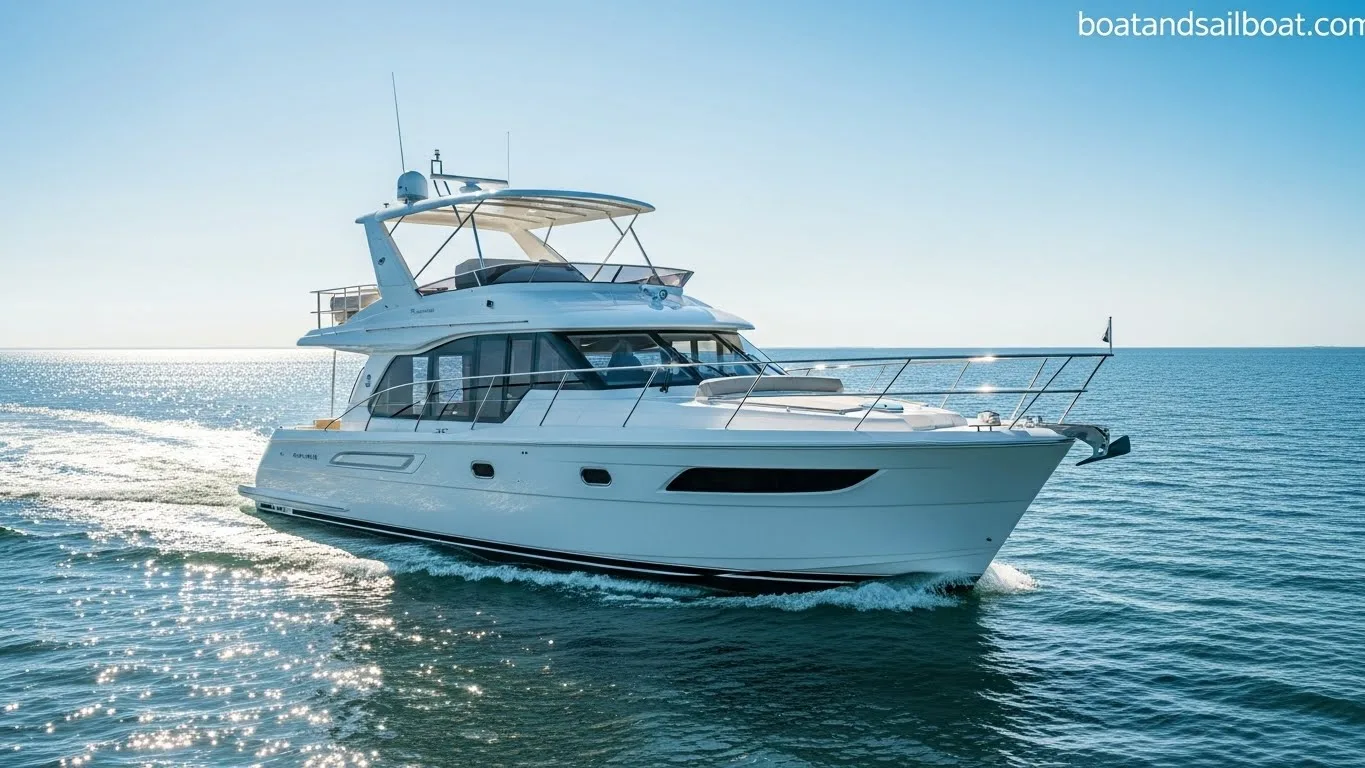
Walk any marina, especially here in the Pacific Northwest, and you’re bound to spot a Uniflite 36 Double Cabin. This isn’t just another old boat; it’s a testament to a bygone era of robust American boatbuilding, a true “blue collar classic” that continues to offer incredible value and capability for those who understand its unique charm and quirks. Produced from the early 1970s until Uniflite’s closure in 1984, the 36 DC quickly became a favorite for its rugged construction, surprisingly spacious liveaboard accommodations, and confident seakeeping abilities. While its sister models like the Sport Sedan and Tri-Cabin had their appeal, the Double Cabin, with its full-width aft master stateroom and a practical two-stateroom, two-head layout, arguably stands as the most iconic.
Table Of Content
- The Uniflite 36 Double Cabin: An Enduring Legacy on the Water
- The Uniflite Story: Robust Roots and Revolutionary Resin
- The Fire-Retardant Resin Factor: A Double-Edged Sword
- Design and Construction Fundamentals
- Life Aboard and Performance Expectations
- Power and Performance: Gas vs. Diesel
- Common Issues and Smart Solutions for Uniflite Owners
- Hull Blistering (Post-1974 Models)
- Deck and Cabin Top Leaks & Core Degradation
- Window Frame Leaks
- Gas Engine Exhaust Systems
- Electrical Gremlins and Fuel Tank Concerns
- Buying, Owning, and the Enduring Market Value
- The Price Spectrum: What to Expect
- The Uniflite Community and Long-Term Ownership
For decades, I’ve seen these boats come and go, watched them transform from tired workhorses into gleaming family cruisers, and even served as comfortable floating homes. They’re not perfect, no older boat is, but their fundamental strengths—a rock-solid hull and a well-thought-out interior—make them perennial favorites on the used boat market. If you’re looking for an affordable entry into serious cruising, a spacious liveaboard platform, or simply appreciate the sturdy craftsmanship of a classic fiberglass vessel, the Uniflite 36 Double Cabin demands a closer look. Let’s delve into what makes this particular model a lasting legend.
The Uniflite Story: Robust Roots and Revolutionary Resin
Uniflite, based in Bellingham, Washington, carved out an indelible reputation for building high-quality, tough-as-nails fiberglass boats. Their philosophy was simple: build them strong, build them safe, and build them to last. This commitment wasn’t just marketing fluff; it was forged in the demanding crucible of military contracts. Uniflite famously built the iconic River Patrol Boats (PBRs) for the U.S. Navy during the Vietnam War, a task that required unparalleled durability and structural integrity under extreme conditions. This military heritage instilled a deep-seated commitment to robust construction that carried over directly into their recreational fleet.
The Fire-Retardant Resin Factor: A Double-Edged Sword
Perhaps one of the most unique and often-discussed aspects of Uniflite’s legacy is their pioneering use of fire-retardant resins in the construction of their pleasure boats. In an era where fire safety aboard fiberglass vessels was a growing concern, Uniflite took a bold, industry-leading step. This was a significant safety advantage, offering peace of mind to owners regarding fire resistance. However, this innovative choice came with an unexpected trade-off for boats built after August 1974: cosmetic blistering.
It’s crucial to understand the nature of these Uniflite blisters. Unlike some other boat brands where blistering could indicate structural issues or laminate degradation, the infamous Uniflite blister problem is generally considered cosmetic. These are typically small, numerous blisters that appear on the hull gelcoat. While unsightly, they rarely compromise the structural integrity of the hull itself. For prospective buyers, this means that while addressing the aesthetics often requires a comprehensive barrier coat application, you’re usually not looking at a catastrophic structural repair, which is a significant distinction in the world of used fiberglass boats. It’s a unique anecdote in marine history, a well-intentioned innovation with a visible but largely superficial consequence.
Design and Construction Fundamentals
The Uniflite 36 Double Cabin was built on a modified-V planing hull. This hull design strikes a fantastic balance, offering a comfortable blend of speed and stability. It allows the boat to get up on a plane efficiently, yet retains enough V-shape forward to slice through chop, providing a much smoother ride than a flatter-bottomed hull. This design choice contributes significantly to its reputation for excellent seakeeping, making it a capable coastal cruiser that can handle snotty conditions without beating its crew to a pulp. While the hull was solid fiberglass, Uniflite, like many builders of the era, often utilized fiberglass-over-plywood construction for deckhouses and cabin tops. This method, while efficient, introduces certain vulnerabilities that require careful attention from owners, as we’ll discuss shortly.
Life Aboard and Performance Expectations
The “Double Cabin” moniker isn’t just a marketing term; it accurately describes the defining feature of this layout: two distinct, private sleeping cabins, each with its own head. This configuration makes the Uniflite 36 DC an exceptionally popular choice for couples cruising with guests, or, perhaps more commonly, as a very comfortable liveaboard vessel. The full-width aft master stateroom is a true gem, often featuring a large island berth, ample storage, and a private ensuite head. Forward, the guest cabin typically offers a V-berth or bunks, along with access to a second day-head. The main salon is usually spacious, often featuring an L-shaped settee, a well-appointed galley, and plenty of natural light, creating a surprisingly airy and inviting living space for a boat of its vintage and size.
Power and Performance: Gas vs. Diesel
When you’re considering a Uniflite 36 DC, one of the most critical decisions will revolve around its power plant. The vast majority of these models were originally sold with twin gasoline engines, typically robust big-block Chevy/Crusader 454s, often rated around 350 HP each. This setup, when well-maintained, offers spirited performance. You can expect cruising speeds in the 16 to 18-knot range, with a top speed potentially approaching 30 knots in calm conditions. This makes for exhilarating day trips and quick passages. However, the thirsty nature of twin big-block gasoline engines means fuel consumption can be significant, making long-range cruising a more expensive proposition.
Later in production, Uniflite introduced the “36 II” version, which sometimes featured a lighter cored hull and occasionally smaller gas engines that could still achieve similar performance numbers due to weight savings. For those seeking greater range and better fuel economy, the diesel-powered models are highly sought after. Twin diesel engines, such as Detroit Diesels or Cummins, will typically offer a slower but more efficient cruise, often in the 14 to 16-knot range. While these boats might not win any races, their extended range and lower operating costs make them excellent candidates for serious cruising, offering the peace of mind that comes with diesel reliability and endurance. The trade-off is often a higher initial purchase price and potentially more complex maintenance for older diesel systems.
Common Issues and Smart Solutions for Uniflite Owners
As much as we love these classic boats, owning a vessel from the 70s or 80s means acknowledging and addressing certain age-related challenges. The Uniflite 36 DC, while fundamentally sound, has a few well-documented areas that any prospective buyer or current owner needs to be aware of and proactively manage. Understanding these issues isn’t a deterrent; it’s simply part of being an informed owner of a vintage craft.
Hull Blistering (Post-1974 Models)
As discussed, Uniflites built after August 1974 are prone to a high density of small, cosmetic blisters. While not structural, they can be an eyesore. The solution is typically a professional barrier coat application, which involves sanding down to the fiberglass, allowing the hull to dry thoroughly, and then applying multiple layers of epoxy barrier coat before bottom paint. This is an investment, but it’s a permanent fix for the aesthetics and prevents further blistering.
Deck and Cabin Top Leaks & Core Degradation
This is arguably the most significant issue for older Uniflites. The fiberglass-over-plywood construction of the deckhouses and cabin tops, while common for its time, creates vulnerable points. Over decades, leaks through window frames, deck hardware mounting points, and flybridge pedestals allow water to penetrate and saturate the underlying plywood core. This leads to the plywood degrading, often turning into a soft, spongy “pulp” that compromises structural integrity and can be incredibly frustrating to repair. A thorough pre-purchase survey must include extensive moisture meter readings on all deck and cabin top surfaces.
Repairing core degradation is a labor-intensive but achievable process. It often involves removing the outer layer of fiberglass, cutting out the compromised plywood, and replacing it with new marine plywood or a composite core material, then reglassing and fairing. Don’t shy away from a boat with some core issues, but budget accordingly for the repair work, as it can be substantial.
Window Frame Leaks
The original aluminum-framed windows are often the primary culprits for water intrusion into the cabin core. The gaskets and sealant around these frames simply don’t last forever. If not addressed, they become a constant source of frustration. Many Uniflite owners opt for complete window removal, thorough cleaning and inspection of the frames, replacement of all gaskets and seals, and re-bedding with modern, durable sealants. Some even upgrade to new, custom-fabricated windows for a lasting solution and improved aesthetics.
Gas Engine Exhaust Systems
For gas-powered Uniflites, constant vigilance on the exhaust risers and manifolds is absolutely critical. Saltwater intrusion here can quickly and catastrophically destroy an engine. These components have a finite lifespan, and regular inspection and replacement are non-negotiable maintenance items. Any sign of rust, corrosion, or leaks should be addressed immediately. Neglecting this can turn a routine outing into an expensive engine repower project.
Electrical Gremlins and Fuel Tank Concerns
Like many boats from the 70s and 80s, the original wiring on a Uniflite can be aged, brittle, and prone to minor issues. Expect to encounter corroded connections, outdated fuse panels, and circuits that may not meet modern safety standards. A substantial portion of the electrical system may require replacement or significant upgrades over time. Furthermore, the original aluminum fuel tanks are another area of concern. Over decades, especially with exposure to water or ethanol in gasoline, these tanks can corrode and begin to leak, necessitating costly replacement. Always inspect fuel tanks thoroughly during a survey, if possible, and budget for potential replacement if their age is unknown or condition suspect.
Buying, Owning, and the Enduring Market Value
The Uniflite 36 Double Cabin remains a highly sought-after vessel on the used market, particularly for those seeking an affordable liveaboard or a capable classic cruiser. Its market presence is robust, driven by its reputation for a solid hull, comfortable accommodations, and the potential for a great value proposition.
The Price Spectrum: What to Expect
The price for a Uniflite 36 Double Cabin varies dramatically based on its overall condition, maintenance history, engine health, and the extent of recent refits. Here’s a general breakdown:
- Project Boat: $25,000 – $40,000 USD
These are typically gas-powered boats that are likely to have original engines nearing the end of their lifespan, significant cosmetic issues, unaddressed core rot, and potential hull blistering. Expect to invest substantial time and money into major systems, structural repairs, and cosmetic work. This is for the dedicated DIY enthusiast or someone with a large budget for professional restoration.
- Ready-to-Cruise: $40,000 – $70,000 USD
In this range, you’ll find boats that are generally well-maintained, with either updated gas engines or older, but still serviceable, diesel engines. Interior and electronics may have seen some updates, and critical structural issues like core rot should ideally be addressed. These boats are structurally sound and ready for immediate use, though they may still require ongoing cosmetic improvements and system upgrades.
- Fully Restored: $70,000+ USD
These are the gems of the fleet. Often, they feature engine repowers (especially to diesel), new electronics, completely refreshed interiors, and full cosmetic restorations, including barrier coats. These boats represent a significant investment by their previous owners and offer a turn-key experience, often at a fraction of the cost of a comparable new vessel.
The Uniflite Community and Long-Term Ownership
One of the great assets of owning a Uniflite is the strong, active, and incredibly supportive community of owners. Online forums, owner groups, and social media pages are brimming with knowledge, advice, and shared experiences. This collective wisdom is an invaluable resource for troubleshooting problems, finding parts, and connecting with fellow enthusiasts. It’s a testament to the enduring appeal of these boats that so many people are dedicated to keeping them in prime condition.
Owning a Uniflite 36 Double Cabin is an exercise in dedication, a journey that combines the joys of cruising with the realities of vintage boat ownership. But for those willing to embrace the occasional project and appreciate its robust character, this blue-collar classic offers an unparalleled combination of space, capability, and value. It’s not just a boat; it’s a piece of maritime history that continues to ply our waters, inviting new generations of mariners to enjoy its enduring charm.