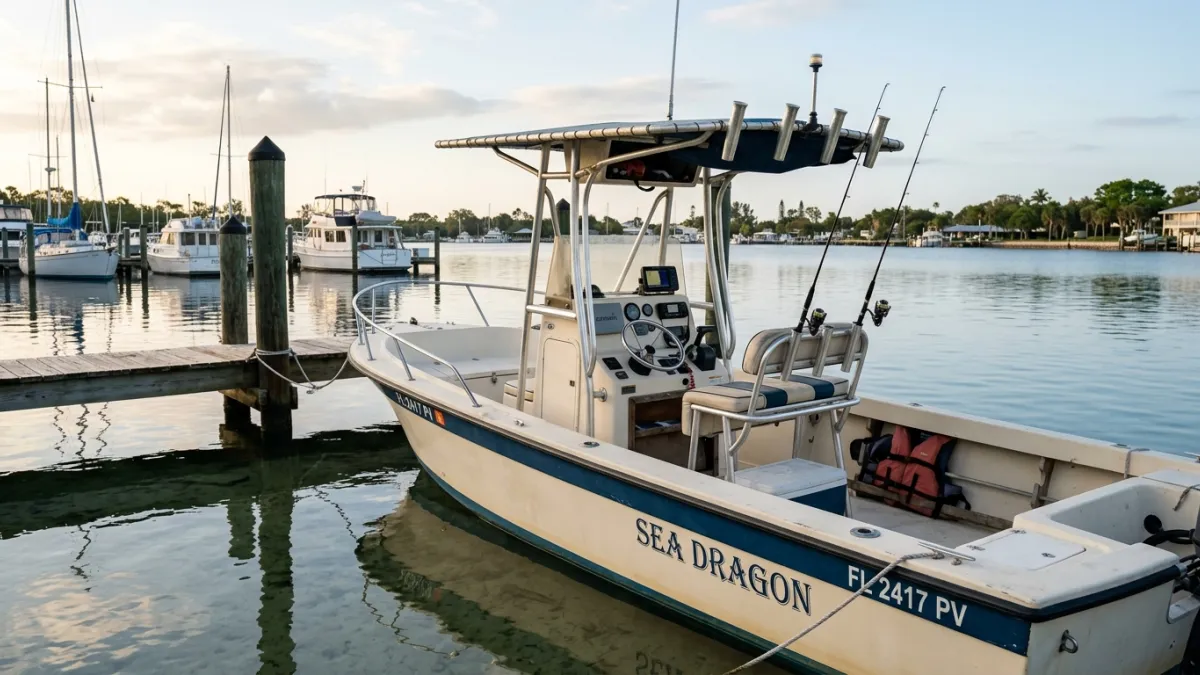
Small center console boats—typically measuring between 16 and 22 feet in length—are versatile, open-deck vessels designed around a centrally located steering station, offering 360-degree deck access and exceptional maneuverability. Powered almost exclusively by single outboard engines ranging from 70 to 200 horsepower, these craft excel in shallow coastal bays, estuaries, freshwater lakes, and nearshore ocean waters. Their shallow drafts (often between 8 and 14 inches) and efficient hull designs make them the premier choice for light-tackle fishing, day cruising, and tow sports for small families and solo anglers alike.
Key Advantages of a Small Center Console
The primary appeal of a small center console lies in its layout efficiency and versatility. By positioning the helm in the center of the vessel, manufacturers maximize usable deck space from bow to stern. Key advantages include:
- Unobstructed 360-Degree Accessibility: Anglers can easily walk around the entire perimeter of the boat when fighting a fish, preventing line snags around the bow or engine.
- Trailering and Storage Ease: Boats under 22 feet generally weigh between 1,500 and 3,500 pounds dry. This allows them to be towed by mid-size SUVs or light trucks and stored in standard residential garages or driveways.
- Fuel Efficiency and Low Running Costs: A modern 18-foot center console paired with a 115 HP four-stroke outboard can burn as little as 3 to 5 gallons per hour at cruising speeds between 22 and 28 knots.
- Easy Maintenance: Open fiberglass layouts with non-skid deck gelcoats allow for quick hose-down washdowns after a day in saltwater.
Hull Types and Performance Specifications
Choosing the right small center console requires matching the hull design to your primary boating environment. Shallow draft flats boats operate differently than deep-V offshore models.
Deep-V Hulls
Deep-V hulls feature a transom deadrise angle of 18 to 24 degrees. They cut through choppy, rough water smoothly, providing a soft ride at the expense of needing slightly deeper water to operate (12 to 16 inches of draft) and slightly higher roll at rest.
Mod-V (Modified-V) and Bay Boat Hulls
Modified-V designs feature a flatter transom deadrise (typically 12 to 17 degrees). They strike a balance between stability at anchor, shallow draft operation (8 to 12 inches), and fuel efficiency, making them the most popular choice for versatile inshore and bay fishing.
Skiffs and Flat-Bottom Hulls
Skiffs offer deadrise angles below 10 degrees. They float in as little as 6 to 8 inches of water, making them ideal for skin-deep flats, but they yield a firmer ride in open-water chop.
| Hull Class | Avg Length | Transom Deadrise | Typical Draft | Rec. Horsepower |
|---|---|---|---|---|
Essential Components and Outfitting Options
When selecting or configuring a small center console, specific hardware additions transform a basic hull into a highly functional craft.
T-Top vs. Bimini Top
A canvas or fiberglass T-top attaches directly to the center console structure, providing sun protection without cluttering the gunwales or impeding cast clearance along the sides. A folding Bimini top is less expensive and easier to lower for garage storage, but its support straps can restrict passage and fishing lines along the sides.
Engine Sizing and Performance
Underpowering a center console is a common mistake. While a boat rated for 150 HP can run on a 90 HP engine, doing so forces the engine to run at higher RPMs to maintain cruise speeds, decreasing fuel economy and engine lifespan. Aim for at least 75% to 80% of the maximum horsepower rating indicated on the US Coast Guard capacity plate.
Electronics and Fishing Hardware
Modern small center consoles benefit significantly from compact marine electronics. Essential accessories include:
- GPS/Fishfinder Combo Units: 7-inch to 9-inch displays with side-scan sonar integration fit well on small console dashes.
- Bow-Mounted Trolling Motors: 12V or 24V electric trolling motors featuring GPS anchor lock (Spot-Lock) eliminate the need to drop physical anchors in shallow water.
- Livewells: Aerated baitwells ranging from 15 to 30 gallons maintain live bait freshness during warm daylight trips.
Essential Safety Recommendations
Due to their lower freeboard and open design, small center consoles demand proactive safety habits, especially when venturing near open ocean inlets.
- Wear Engine Cut-Off Switches (ECOS): Federal regulations require operators of recreational vessels under 26 feet to use an engine cut-off lanyard or wireless fob when underway above displacement speed.
- Monitor Bilge Pump Capacity: Ensure your vessel has an automatic bilge pump rated for at least 500 to 800 gallons per hour (GPH) and clean the float switch regularly of debris.
- Distribute Weight Evenly: Small center consoles are sensitive to weight placement. Ensure passengers sit in designated seating forward or aft of the console while underway to maintain proper trim and prevent bow steering.
Buying Checklist for New and Used Buyers
When inspecting a pre-owned small center console boat, pay close attention to structural integrity and mechanical health:
- Check Transom and Floor Deck: Tap along the transom and surrounding deck areas. A dull, soft thud rather than a crisp tap can indicate core rot or delamination in older wood-cored fiberglass hulls.
- Inspect Outboard Compression: Conduct a cylinder compression test on the outboard motor. Cylinders should display pressure values within 10% of each other.
- Examine Wiring Harnesses: Check marine electrical wiring beneath the console. Look for clean, heat-shrink-sealed tinned copper wiring rather than corroded, unsealed automotive wiring.
Frequently Asked Questions
Are small center console boats suitable for offshore fishing?
Small center consoles in the 20 to 22-foot range with deep-V hulls (18+ degree deadrise) can safely fish nearshore ocean waters on calm days with light seas (under 2 to 3 feet). However, boats under 20 feet or flat-bottom bay boats are primarily engineered for inshore bays, rivers, and protected coastal waters.
How much does it cost to own a small center console boat?
Beyond the purchase price, annual ownership costs for an 18 to 20-foot center console generally range from $1,500 to $3,500. This includes routine engine maintenance ($300-$600), insurance ($400-$800), state registration, gear upgrades, and fuel, assuming the boat is stored at home on a trailer rather than in a paid marina slip.