


Unlocking Decades More Adventure: The classic fiberglass boat maintenance Guide
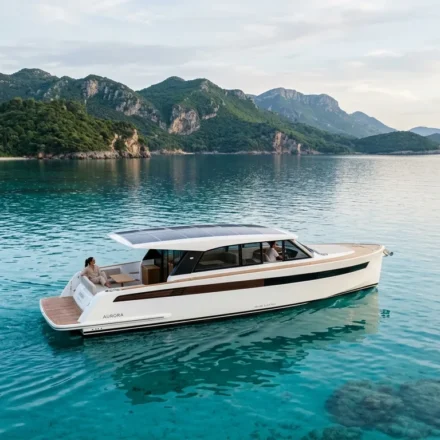
Ah, the classic fiberglass boat! There’s a special magic to these vessels. They carry stories in their lines, a testament to enduring craftsmanship, and often, an undeniable charm that modern boats sometimes struggle to replicate. Whether you own a nimble Catalina 30 sailboat, a sturdy Hunter 33 cruiser, or a timeless Boston Whaler powerboat, these fiberglass beauties offer incredible value and a truly unique boating experience.
Table Of Content
- Unlocking Decades More Adventure: The classic fiberglass boat maintenance Guide
- The Hull & Deck: Your Boat’s First Impression and Foundation
- The Heartbeat: Engine & Propulsion Systems
- For the Sail Enthusiast: Rigging & Sails
- Below Deck & Beyond: Systems and Aesthetics
- Your Annual Maintenance Roadmap
- Bringing It All Together: Your Actionable Plan
As your trusted boating expert, I’ve seen countless classic fiberglass boats lovingly maintained and sadly neglected. The good news? With a little knowledge and consistent effort, you can preserve that vintage charm and structural integrity for decades to come. Let’s dive into how to keep your classic shining, strong, and ready for countless sunsets on the horizon.
The Hull & Deck: Your Boat’s First Impression and Foundation
Fiberglass, a composite material made of glass fibers embedded in a resin matrix, revolutionized boat building. It’s incredibly durable, but even fiberglass needs love. Most classic fiberglass boats feature a displacement hull (gliding through water) or semi-displacement hull (partially lifting at speed), designed for stability and comfort.
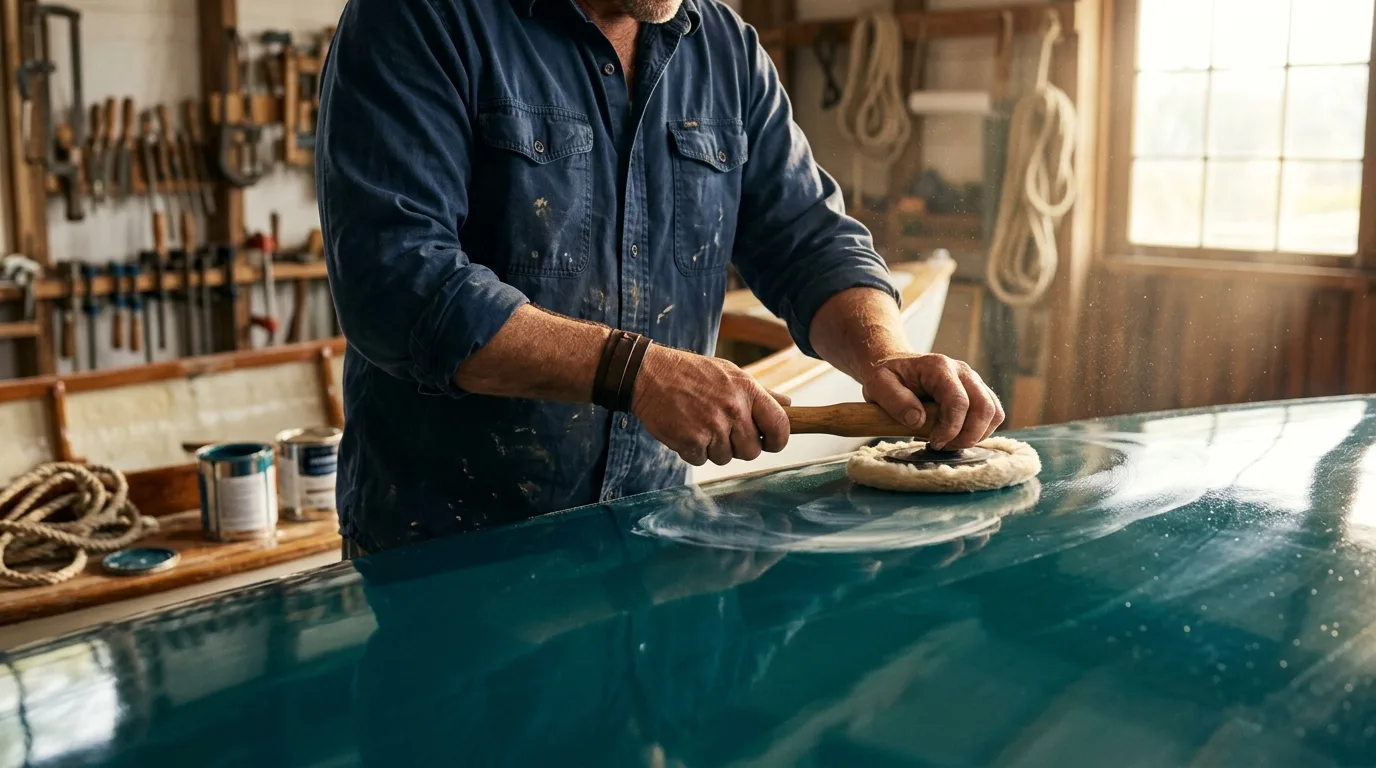
- Gelcoat Restoration: The outer layer of your fiberglass hull is called gelcoat. Over time, sun and weather cause it to oxidize, making it chalky and dull. Regular washing with boat soap is just the start. For oxidized gelcoat, you’ll need to compound, polish, and wax. Use a good quality marine compound to remove oxidation, follow with a polish to restore shine, and finish with a marine wax or sealant for UV protection. Repeat waxing every 3-6 months.
- Minor Repairs: Small spider cracks or minor dings are common. These can often be repaired with a fiberglass repair kit, using color-matched gelcoat paste. For larger damage or concerns about delamination (where layers of fiberglass separate) or soft spots (indicating possible core rot beneath the fiberglass), consult a professional surveyor or repair shop.
- Non-Skid Surfaces: Keep your deck safe by regularly cleaning non-skid areas. Stubborn dirt can be removed with specialized non-skid cleaners and a stiff brush.
The Heartbeat: Engine & Propulsion Systems
For many classic boats, especially those designed for cruising (like a 30-40 ft Beneteau Oceanis from the 80s or 90s), a reliable engine is paramount. Most sailboats feature an inboard diesel engine, commonly from brands like Yanmar or Volvo Penta, often connected to a saildrive or traditional shaft.
- Routine Service: Follow manufacturer recommendations, but generally, plan an engine service every 100-200 hours or annually. This includes changing engine oil and filters, fuel filters, and checking the raw water impeller.
- Cooling System: Inspect hoses for cracks and clamps for corrosion. Flush the raw water cooling system as needed.
- Winterizing: If you boat in cold climates, proper winterizing (draining water from systems, adding antifreeze, stabilizing fuel) is crucial to prevent freeze damage.
- Outboards: For classic powerboats or smaller day sailers (under 25 ft), outboards need similar annual checks: spark plugs, fuel filter, gear oil, and water pump impeller.
For the Sail Enthusiast: Rigging & Sails
If your classic is a sailboat, its rig is its soul. Most classic sailboats will feature a sloop rig (one mast, one mainsail, one foresail), but you might find ketch or cutter rigs on larger cruising vessels (40+ ft bluewater yachts).
- Rigging Inspection: Annually inspect all standing rigging (the wires supporting the mast) for broken strands, rust, or bent fittings. Check running rigging (the lines you use to hoist and control sails) for chafe or stiffness. Replace any suspect lines.
- Sail Care: Inspect your mainsail, genoa (large foresail), and spinnaker (light air sail) for tears, loose stitching, or UV damage. Clean sails regularly, and store them dry and folded out of direct sunlight when not in use. This applies to classic Bermuda rigs and older gaff rigs alike.
Below Deck & Beyond: Systems and Aesthetics
- Electrical Systems: Check all wiring for signs of fraying or corrosion, especially at connections. Ensure batteries are charged and connections are clean and tight. Corrosion prevention is key in the marine environment.
- Plumbing: Inspect all hoses for leaks and pumps for proper function. Keep bilge clean and dry.
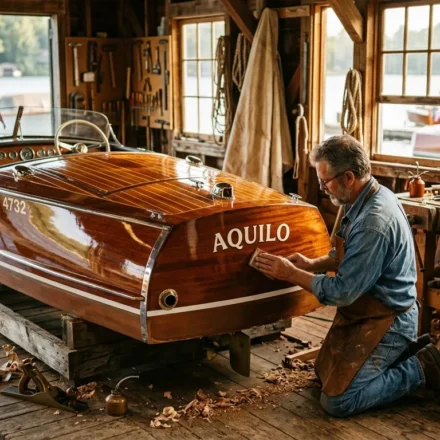
- Interior Woodwork: Many classics boast beautiful wood interiors. Clean and re-varnish or oil brightwork as needed to protect it from moisture and UV.
- Ventilation: Ensure good airflow throughout the boat to prevent mold and mildew, especially in lockers and under cushions.
Your Annual Maintenance Roadmap
Here’s a simplified schedule to keep your classic in top shape:
- Annual Haul-Out: Get your boat out of the water once a year for a thorough bottom inspection. Clean the hull, check for blisters, and apply fresh bottom paint to prevent marine growth.
- Engine Service: As mentioned, every 100-200 hours or annually, depending on usage.
- Rig & Sail Inspection: Do a detailed check before and after each season.
- Gelcoat Maintenance: Compound/polish as needed, wax quarterly or bi-annually.
- Systems Check: Regularly test all pumps, lights, electronics, and steering systems.
Bringing It All Together: Your Actionable Plan
Owning a classic fiberglass boat is a passion, and the rewards are immense. To truly enjoy your vessel and create those lifelong stories, follow these steps:
- Regular Inspections: Make it a habit to walk around your boat, both inside and out, looking for anything out of place. Early detection saves time and money.
- Educate Yourself: Learn the basics of your boat’s systems. There are fantastic resources online (like here at boatandsailboat.com!), in books, and through local boating courses.
- Know When to Call a Pro: While much can be DIY, don’t hesitate to bring in marine mechanics, riggers, or fiberglass specialists for complex issues. An expert eye is invaluable.
- Keep Records: Document all maintenance performed, parts replaced, and costs. This helps you track schedules and adds value if you ever decide to sell.
Your classic fiberglass boat is more than just transportation; it’s a vessel of freedom, a haven for family adventures, and a source of countless memories. By dedicating time to its maintenance, you’re not just preserving fiberglass and gelcoat – you’re preserving a piece of maritime history and ensuring that your dream of sunsets on the horizon and the thrill of wind in the sails continues for years to come. Get out there, enjoy your classic, and write your next great story!