Gliding across a placid lake on a platform that feels more like a floating patio than a traditional hull is a sensation that has turned pontoon boats into the go‑to choice for families, anglers, and weekend cruisers alike. Their wide, stable decks, generous headroom, and modular options make them adaptable to everything from a lazy brunch on the water to a serious bass‑fishing expedition.
Quick answer: Pontoon boats are popular because their multi‑tube aluminum hulls provide unmatched stability, spacious layouts, and a level of customisation that lets owners tailor the vessel for leisure, sport, or luxury—all while keeping a user‑friendly learning curve.
What Makes a Pontoon Boat Different?
Design basics
A modern pontoon is built around two or three sealed aluminum tubes, called pontoons, that act as buoyant floats. The deck sits atop a steel or aluminum frame, which can be fitted with everything from plush seating to full‑size kitchens. Because the pontoons are typically 12–14 inches in diameter, the boat’s centre of gravity stays low, granting a steady ride even when the water is choppy.
Contrast with V‑hull and catamaran designs
Traditional V‑hull boats cut through water with a sharp bow, delivering speed but sacrificing deck space. Catamarans share the twin‑hull concept but are usually built for performance sailing, featuring narrower hulls and a deeper draft. Pontoon hulls prioritize breadth over speed, offering a beam that often exceeds the length‑to‑beam ratio of 1:2.5, which translates into a roomy cockpit that can comfortably accommodate 12‑15 adults.
| Category | LOA (ft) | Beam (ft) | Draft (ft) | Engine (hp) | Seating Capacity | Typical Price (USD) |
|---|---|---|---|---|---|---|
| Compact (small) | 16‑20 | 8‑9 | 1.5‑2.0 | 75‑115 (outboard) | 4‑6 | $15,000‑$25,000 |
| Mid‑size (family) | 21‑24 | 9‑10 | 2.0‑2.5 | 115‑150 (outboard) | 8‑12 | $30,000‑$55,000 |
| Luxury (full‑scale) | 25‑30 | 10‑12 | 2.5‑3.0 | 150‑250 (inboard/outboard) | 12‑20 | $80,000‑$150,000+ |
Popular Types and Configurations
Family‑oriented leisure pontoons
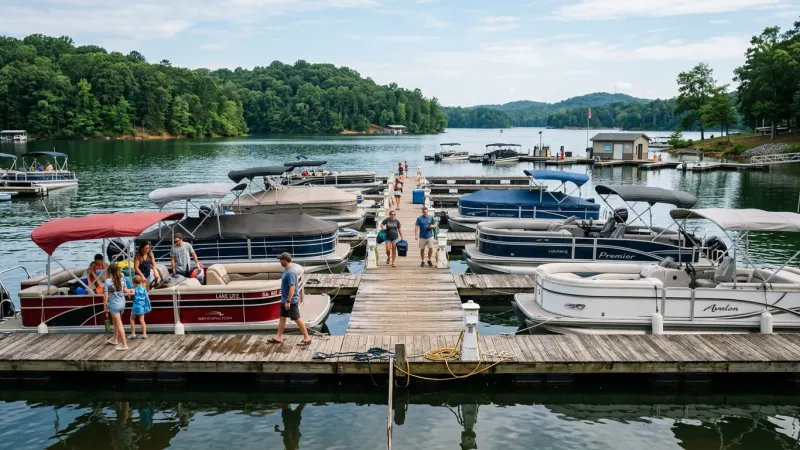
These models feature plush lounge seating, a sunpad, and often a small wet bar. Brands such as Sun Tracker and Bennington ship factory‑installed Bluetooth sound systems, LED lighting, and optional canopy enclosures that protect passengers from sun or drizzle.
Fishing‑focused pontoons
Fishing pontoons replace the traditional sofa layout with rod‑hold‑downs, a live‑well (typically 30‑50 gallons), and a built‑in cooler. Harris and Manitou lead the market with “Angler” packages that also include GPS‑integrated fish‑finders, reinforced decks for heavy gear, and low‑profile seats that let anglers cast without obstruction.
Luxury cruising pontoons
When a bathroom, galley, and even a small cabin become essential, manufacturers like Avalon and Sea‑Ray offer models with enclosed heads, stainless‑steel sinks, and optional slide‑out decks that turn the vessel into a floating lounge. Some high‑end units incorporate a 12‑volt inverter for powering a full‑size TV and air‑conditioning.
Performance‑oriented pontoons
For those who crave speed, the “Turbo” or “Performance” line from Manitou and Lowe offers hull‑shaping tweaks, reduced weight through composite decking, and twin outboard motors that can push a 24‑ft pontoon to 45‑50 knots. These boats often feature a deep‑V bow section that cuts through chop while retaining the classic pontoon stability.
- Sun Tracker – Best value for first‑time owners
- Bennington – Luxury finishes and dealer network
- Harris – Top choice for serious anglers
- Avalon – Customisable interiors for upscale cruising
- Manitou – Performance‑driven designs
How to Choose the Right Pontoon for You
Assessing size and capacity
Measure the typical number of passengers and the type of activities you plan. A 20‑ft model comfortably seats eight adults plus a skipper, while a 26‑ft luxury version can host a small party with a dedicated lounge area. Remember that a larger beam improves stability but also raises dock fees in many marinas.
Feature checklist
Make a list of must‑have amenities: do you need a head (toilet) for day‑long trips? Is a live‑well essential for your fishing excursions? Consider optional upgrades such as a hydraulic steering system, a solar‑powered battery bank, or an integrated navigation suite that complies with USCG standards.
On-the-water tip: During my first charter on a 22‑ft fishing pontoon, the skipper left the bow‑thruster on while docking in a light cross‑wind. The boat drifted sideways, forcing a hard‑right turn that could have damaged the rub rail. Always disengage auxiliary thrusters once you have a firm line on the dock.
Budget and financing
Entry‑level pontoons start near $15,000, but adding a premium sound system, a head, or twin motors can push the price above $100,000. Many dealers partner with marine financing firms that offer 0‑% APR for the first 12 months, followed by a 4‑5 % rate over a five‑year term. Look for warranties that cover the hull for at least five years and the engine for three.
Dealer support and after‑sale service
A reputable dealer will provide a pre‑delivery inspection, a detailed owner’s manual, and a scheduled service plan. Check online reviews and ask the dealer for references from owners who have kept their pontoons for more than three years. The presence of a local service center can dramatically reduce downtime for routine maintenance.
Ownership Realities: Buying vs. Renting, Maintenance, and Safety
Renting as a trial run
If you’re unsure about committing, a weekend rental can be a low‑risk way to test different layouts. Rental rates vary from $200 to $600 per day depending on location and equipment. Look for rental operators that include a basic fishing kit or a portable head, which lets you compare setups without buying.
Routine maintenance checklist
Aluminum pontoons demand less hull care than fiberglass, yet they still benefit from an annual wash‑down, especially after exposure to brackish water. Inspect the weld seams for signs of corrosion, check the anodes, and verify that the steering cables are lubricated. Engine servicing follows the same schedule as any outboard—oil change every 100 hours, impeller check, and spark‑plug replacement.
Storage solutions
Seasonal storage on a dry rack protects the deck finish and prevents algae growth. If you keep the boat in a marina, negotiate a slip that offers easy access to shore power for charging batteries. Remember that a covered storage unit can extend the life of upholstery and electronic accessories.
Essential safety gear
USCG regulations require a wearable personal flotation device (PFD) for each passenger, a throwable flotation device, fire extinguishers, and proper navigation lights. For offshore excursions, many owners add an EPIRB, flares, and a handheld VHF radio. Review the USCG safety checklist before each outing.
Emerging Trends and the Future of Pontoon Boating
Hybrid and electric propulsion
Manufacturers such as Sea‑Doo have introduced electric‑motor pontoons that deliver silent operation and zero emissions—ideal for environmentally‑sensitive lakes. Battery packs sized at 48 kWh can provide 2‑3 hours of cruising at 25 knots, and they recharge in under four hours using a Level‑2 charger.
Smart‑deck technology
Integrated touchscreen consoles now control lighting, audio, and even a bow‑mounted camera that streams live video to a smartphone. Some high‑end models feature automated trim systems that adjust the deck angle based on speed, improving fuel efficiency by up to 12 %.
Customization through modular accessories
Third‑party companies sell bolt‑on modules like a pop‑up grill, a portable shower stall, or a modular fishing station that can be swapped out in under an hour. This trend allows owners to reconfigure their pontoon for a family BBQ one weekend and a serious fishing trip the next.
For readers looking to dive deeper into the buying process, our comprehensive boat buying guide offers step‑by‑step advice, while the maintenance tips page outlines seasonal checklists. When safety is top of mind, refer to our essential safety equipment guide before hitting the water.
Considering your lifestyle, a 22‑ft family pontoon with a modest 115 hp outboard is perfect for weekend lake trips, whereas a 26‑ft luxury model with twin 200 hp inboards and a full bathroom suits those who plan extended overnight cruises. Start by visiting a local dealer, taking a test ride, and comparing the specifications in the table above to pinpoint the size and feature set that aligns with your budget and intended use.
Frequently Asked Questions
How many people can a typical pontoon safely carry?
Most mid‑size pontoons are rated for 8‑12 adults, but the exact capacity is stamped on the capacity plate near the helm. Always adhere to the manufacturer’s limit to maintain stability.
Do pontoon boats require a special license?
In the United States, a standard boating license suffices for vessels under 20 hp. However, many states require a specific endorsement for boats over 15 ft or for operating in inland waterways. Check your state’s Department of Natural Resources for details.
Can I install a permanent head on a small pontoon?
Yes, many manufacturers offer a modular head that fits under a bench seat. The installation typically involves routing a waste pipe to a marine‑grade holding tank, which must be emptied at an approved pump‑out station.
What is the typical fuel consumption for a 20‑ft pontoon?
A 115 hp outboard on a 20‑ft pontoon burns roughly 5‑6 gallons per hour at a cruising speed of 25 knots. Fuel use rises to 8‑9 gallons per hour when pushing 40 knots in a performance configuration.
Are pontoons suitable for saltwater?
Aluminum pontoons are highly corrosion‑resistant, but it’s essential to rinse the hull with fresh water after each saltwater outing and to inspect the anodes regularly. Adding a sacrificial zinc anode can extend hull life significantly.
Recommendation
If you plan regular family outings on calm lakes, a 20‑ft Sun Tracker with a 115 hp outboard and a basic wet bar offers the best value. For serious anglers who need a live‑well and rod‑holds, the Harris “Angler” line with a 150 hp engine provides the right blend of capacity and durability. Luxury seekers should look at Avalon’s 26‑ft models featuring dual heads, a galley, and optional solar panels. Begin by scheduling a test drive at a nearby dealer, and use the specifications table to compare your top choices before committing.